
Beyond being the raw ingredient for our tasty Mara Sugar, sugar cane delivers its sweet benefits in all types of ways. Read on to find out more.
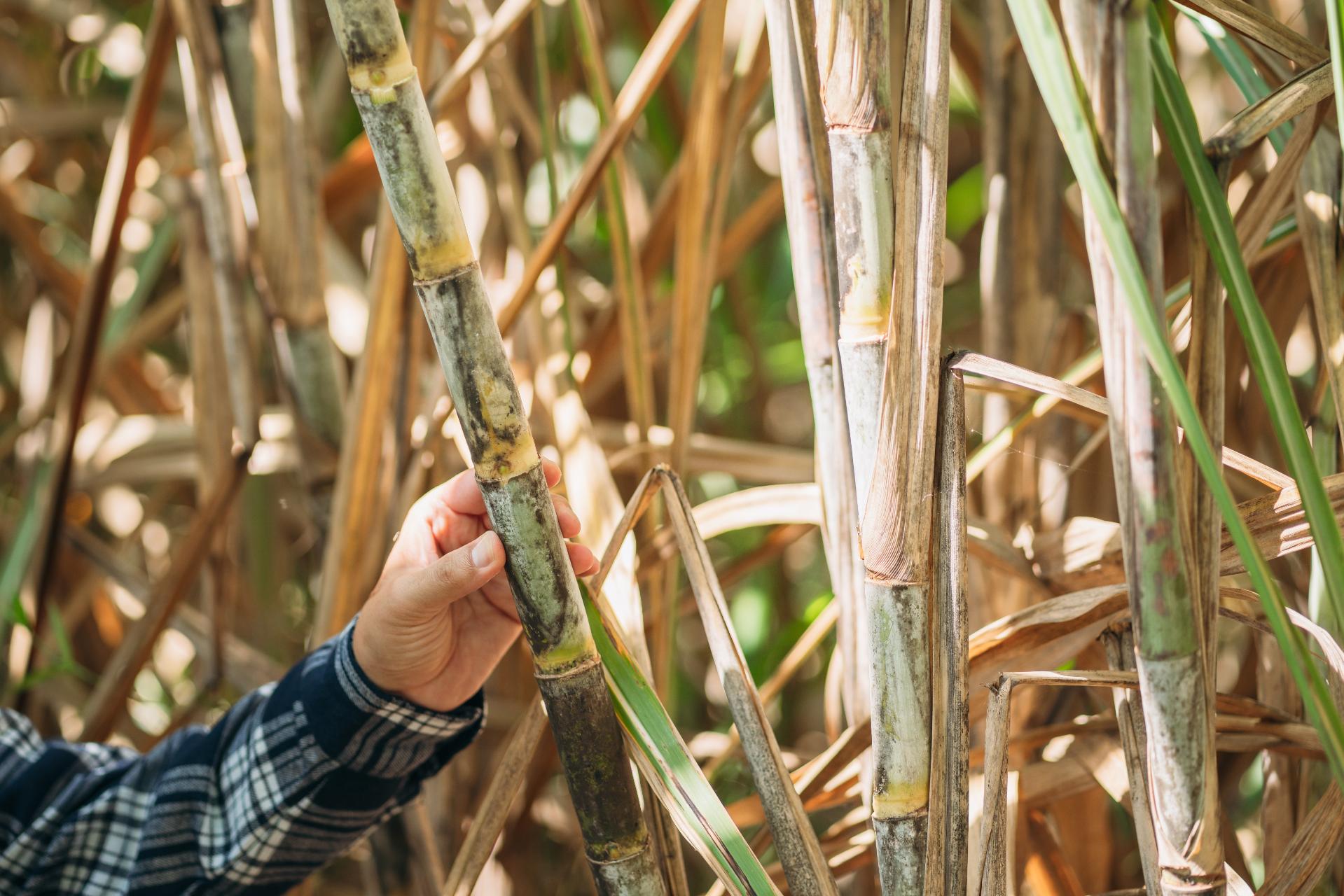
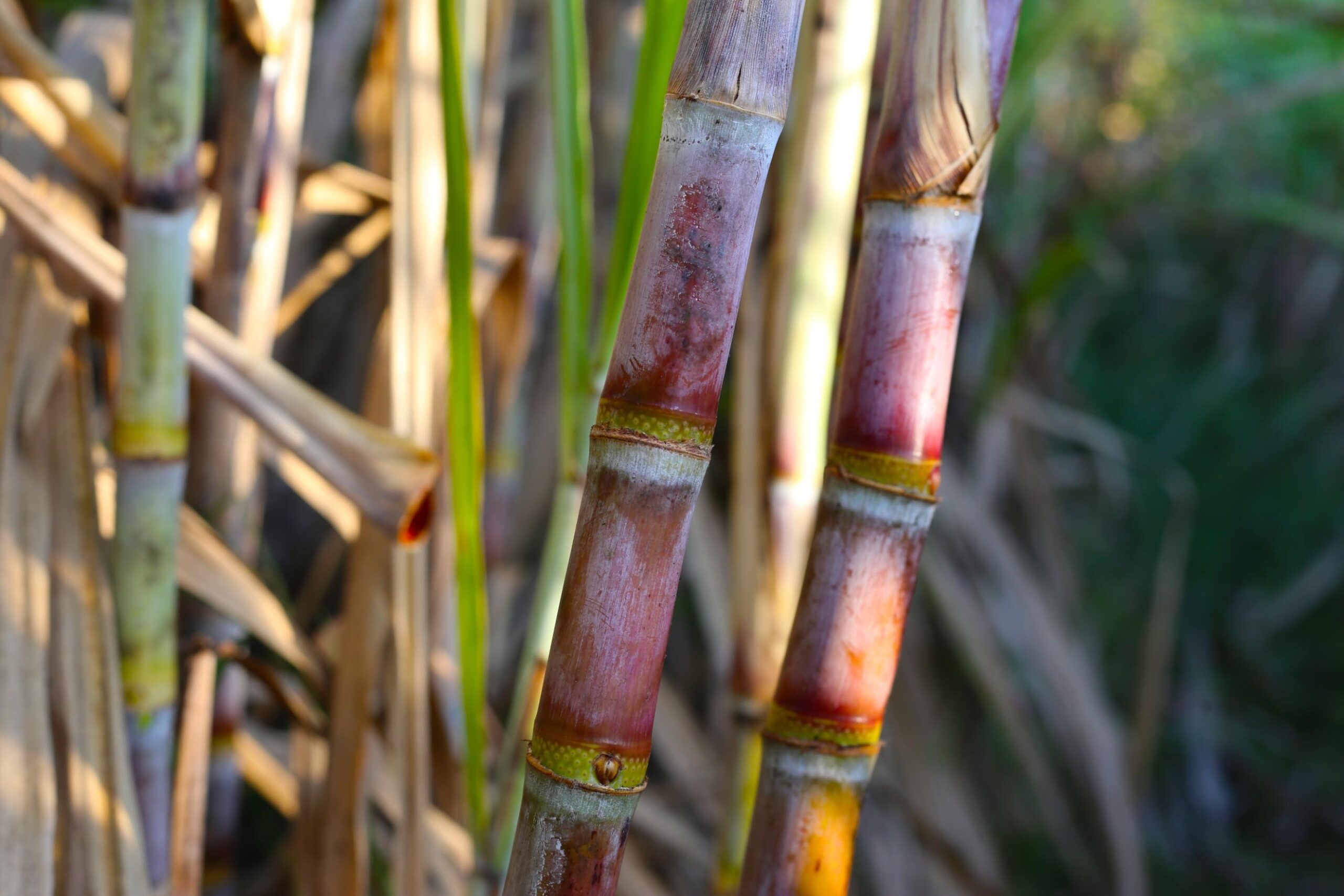
Sugar cane is far more than a source of sugar for your cup of tea and baking sessions. Grown widely across tropical and subtropical regions, including by our community of farmers in Kenya, this tall grass has sustained economies, supported livelihoods, and contributed to energy production. From farms to factories, sugar cane continues to play a vital role.
1 Economic benefits
One of the most recognised benefits of sugar cane is its economic importance. Millions of small-scale and commercial farmers depend on sugar cane cultivation for their income. At Transmara Sugar, we partner with around 20,000 farmers across the Transmara region and ensure they have the following benefits:
Sugarcane supports entire value chains, including harvesting, transport, milling, packaging, and distribution. This is particularly important in rural areas like the Transmara region, where alternative livelihoods may be limited. This makes sugarcane a key driver of rural development and poverty reduction.
2. Renewable energy source
Beyond food and drink, sugarcane is an important renewable energy resource. By-products such as bagasse (the fibrous residue left after juice extraction) are used to generate electricity and heat in sugar mills. At the Transmara Sugar factory, we crush the sugarcane and turn it into sugar crystals, which become delicious Mara Sugar, and use bagasse to create briquettes and generate electricity for the operation’s own use. We sell the briquettes locally for use in other industries, and the bagasse and briquettes power our factory as well. Sugar cane is also a major source of bioethanol, a cleaner-burning alternative to fossil fuels. Sugarcane can absorb more CO2 than it emits, creating ‘carbon negative’ potential, but its overall sustainability is a complex topic. The potential of sugarcane could help reduce greenhouse gas emissions and dependence on non-renewable energy sources.
3. Sustainable agriculture
From an environmental perspective, sugar cane can contribute to sustainable agriculture when well managed. The crop has a high photosynthetic efficiency, meaning it absorbs significant amounts of carbon dioxide from the atmosphere. Its residues can be recycled as organic fertiliser, improving soil structure and fertility while reducing waste. Additionally, sugar cane fields help prevent soil erosion when maintained with proper farming practices.
Transmara Sugar promotes sustainability through farmer empowerment, with training in modern techniques (soil management), supporting local smallholders with fair pricing and logistics, reducing chemical use via pest-resistant cane varieties, and implementing efficient energy and water practices in their factory operations, aiming for a positive environmental impact and community growth.
4. Industrial and household uses
Sugar cane’s versatility extends to industrial and household uses. Molasses, a by-product of sugar production, is used in animal feed, alcohol distillation, and food processing. Bagasse can also be used to manufacture paper, biodegradable packaging, and building materials, reducing reliance on timber and plastics. These uses highlight sugar cane’s role in advancing circular economies.
5. Deliciously sweet Mara Sugar
We couldn’t not mention Mara Sugar as one of the benefits of sugar cane! Mara Sugar is available in white, brown and light brown, and people add it every day to their tea and coffee, as well as using it for baking – so check out the recipes on our blog.
The benefits of sugar cane go far beyond sweet sugar. This multipurpose crop supports livelihoods, provides energy and nutrition, contributes to renewable power, and offers sustainable industrial solutions.


