
What does it take to build Kenya’s roads and harvest its sugarcane fields? We caught up with Pushpender Singh, Head of the Roads & Estate Services Department at Transmara Sugar Company, to look at the plant machinery powering the company’s projects.
What trucks do you use to build rural roads, and how are they adapted for the terrain and construction?
We use tippers for murram transport and road construction. They have 281 HP and the engine power helps us on steep inclines that are common in this hilly region. They have a double differential for better traction and stability in slippery, uneven conditions, giving us control on sharp inclines in all weather conditions.
They can also handle heavy loads, as we often transport up to 15 tons of murram from local quarries to the construction sites. It means we have to make fewer trips to transport the material, making the overall efficiency of the build far better. The higher horsepower allows them to maintain their speed and haul heavy loads up steep hills, as well as pull and push equipment if needed during the build process.
They have very durable and robust body construction, so fare well in withstanding the stresses of transporting large, heavy loads over long distances. Spares are also readily available, which makes maintaining the vehicles easier in such a rural area like Transmara.
What do you have to consider when building a road in this hilly landscape?
We are strategic when it comes to road design. We minimise steep inclines and ensure smooth gradients, so tractors can easily transport sugar cane around the area and the community has better road links. We enhance drainage systems using culverts with HDPE pipes, which help manage water flow and prevent road washouts in heavy downpours. We frequently maintain the road surface, too. We want them to be smooth and drivable throughout the year, so everyone is happy.
We hear you are trying out eco-friendly materials and construction techniques?
Transmara Sugar Company is actively exploring ways to make its road construction processes more sustainable. We use locally-sourced murram from quarries, a naturally occurring material used to construct gravel roads. By using local materials, we reduce our carbon footprint by cutting down on transportation costs and fuel consumption. Murram is an abundant, natural material here, and it is a renewable resource when extracted in a sustainable way.
Gravel roads made with murram are typically more environmentally friendly than asphalt roads, as the process of constructing gravel roads requires less energy (asphalt needs extensive refining and high temperatures for mixing). Gravel roads generally provide better water drainage, which reduces the likelihood of flooding and soil erosion. Gravel roads also allow for greater biodiversity, as they allow water to naturally filter into the soil and support plant and animal life.
When it comes to culverts, we use high-density polyethylene pipes (HDPE) as they have a long lifespan and are corrosion-resistant, unlike metal pipes. They are made from recyclable plastic and have a lower carbon footprint to make, compared to traditional materials like concrete or metal.
We strive to develop techniques wherever possible to be mindful of the environment. For example, we modified a tractor with a tyre to unclog access culverts. We’ve found that it’s a simple technique, but more eco-friendly than using chemicals or heavy mechanical intervention.
Roads in rural areas, especially gravel roads, can be vulnerable to erosion during heavy rain. How do you handle this?
Using murram is beneficial, but road maintenance and proper drainage systems (such as the use of HDPE culverts) need to be continually monitored to prevent erosion. Regular culvert maintenance, grass planting, and road shaping to channel water off roads can help reduce erosion and ensure long-term sustainability.
You source local supplies such as murram and HDPE pipes, but how do you ensure the extraction of these materials is sustainable?
To avoid depleting local resources, we prioritise sustainable quarry management and regularly monitor material extraction practices. This ensures that resources are replenished and that extraction activities do not damage the local environment.
Gravel roads are a more eco-friendly solution in the short term, but how do you deal with wear and tear, especially in rainy seasons?
We generally use a higher camber of 2.5 to 3%, compared to 1% for tarmac roads, which helps in better runoff of rainwater into side drains and mitre drains. There is a periodical audit of our roads to unblock these mitre and side drains so that the roads can last longer.

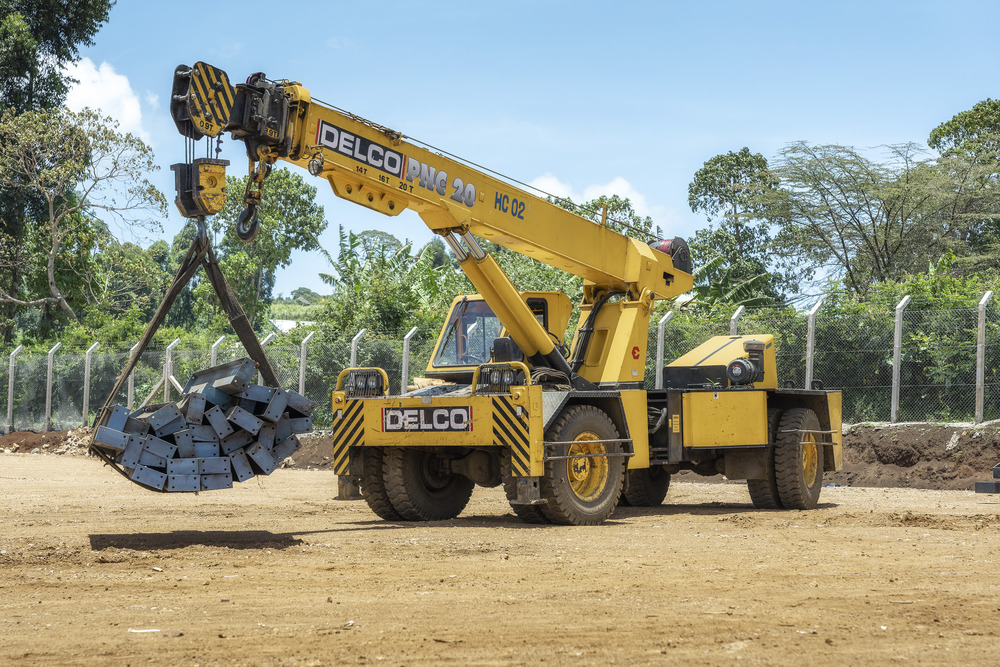

Tell us about some of the equipment you use…
Tractors
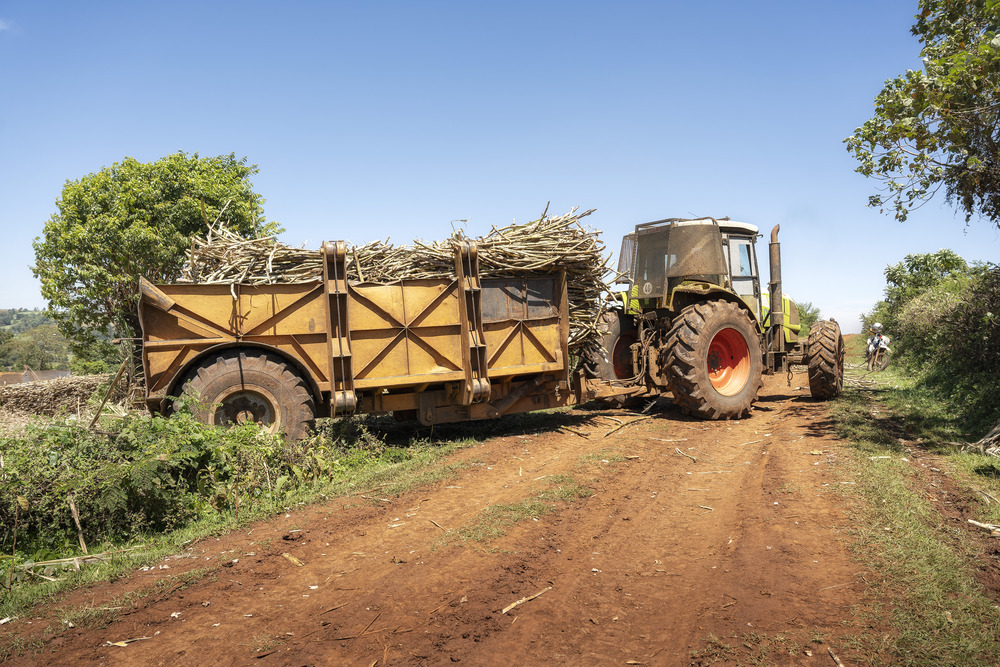
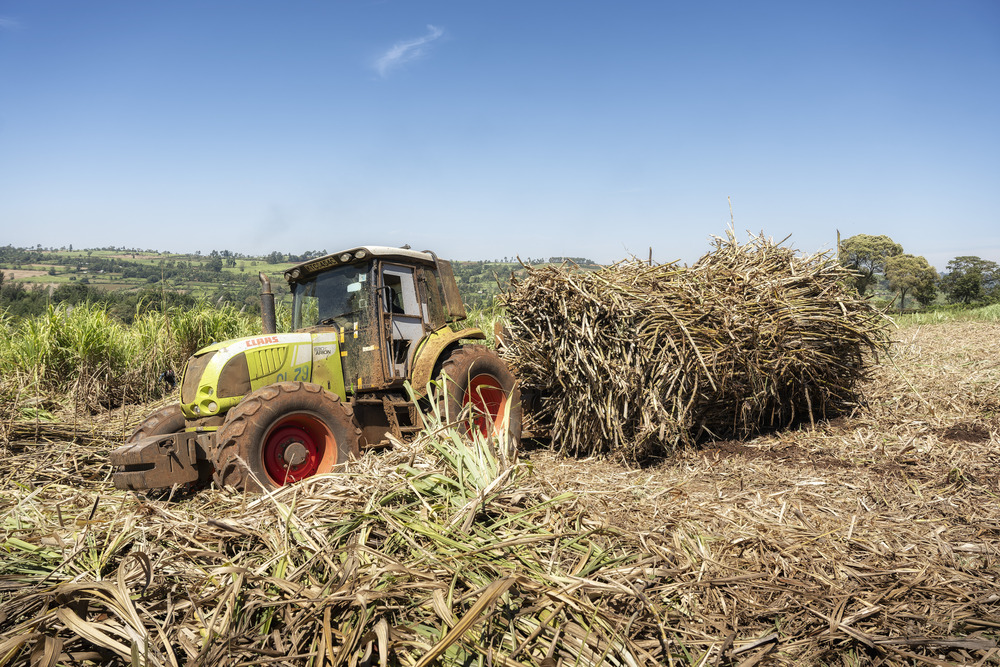
Our tractors are absolute workhorses when it comes to sugarcane farming. They’re often seen hauling tandem trolleys loaded with seed cane from nurseries to the fields. With their powerful hydraulics and solid horsepower (around 140 HP), they manage heavy loads with ease while still being gentle enough not to damage the delicate seed cane.
What sets them apart is versatility. Some of our tractors are fitted with side loaders, which are brilliant for loading sugarcane into trolleys right in the field. These hydraulically-powered loaders can scoop up large volumes without damaging the cane, and their clever side configuration allows them to weave through narrow field paths and between rows with ease.
Then there’s the tandem trolley setup. It’s ideal for hauling sugarcane to the factory or storage, even over bumpy or uneven ground. The design helps distribute weight better and adds stability, so the ride stays smooth and the tractor doesn’t struggle. All in all, Claas tractors are tough, reliable, and built for exactly the kind of demanding work sugarcane farming throws at them.
Hydraulic Pulling Winch
Hydraulic pulling winches are absolute lifesavers in tricky terrain – think muddy tracks or steep slopes where tractors alone just won’t cut it. These winches are used to haul heavy gear, sugarcane, or even seedcane across the plantation without breaking a sweat. What makes them so handy is the precision control – you can pull just the right amount without tearing up the ground or damaging the crop. Even in slippery, wet conditions, they continue to perform reliably. Whether it’s dragging tools to a remote field or helping move stuck equipment, hydraulic winches make tough jobs a whole lot easier and more controlled.
Cane loaders
Cane loaders are a real game-changer when it comes to moving sugarcane from the fields to the mill. These machines are built to lift and load big bundles of cane into trolleys or baskets at transit stations, making the whole process quicker and far less labour-intensive. Bell Cane Loaders, in particular, are specially designed for the job. With powerful hydraulic arms and grabs, they can scoop up large amounts of cane in one go without damaging the stalks.
What’s great is how precise they are – the hydraulic arms allow operators to pick up cane from different angles, even in tight spaces, and load it smoothly into the transport units. This speeds things up and keeps the work flowing efficiently. Instead of relying on manual labour, one plant machine does the heavy lifting. Cane loaders make sugarcane transport faster, easier, and a whole lot more productive.
Graders
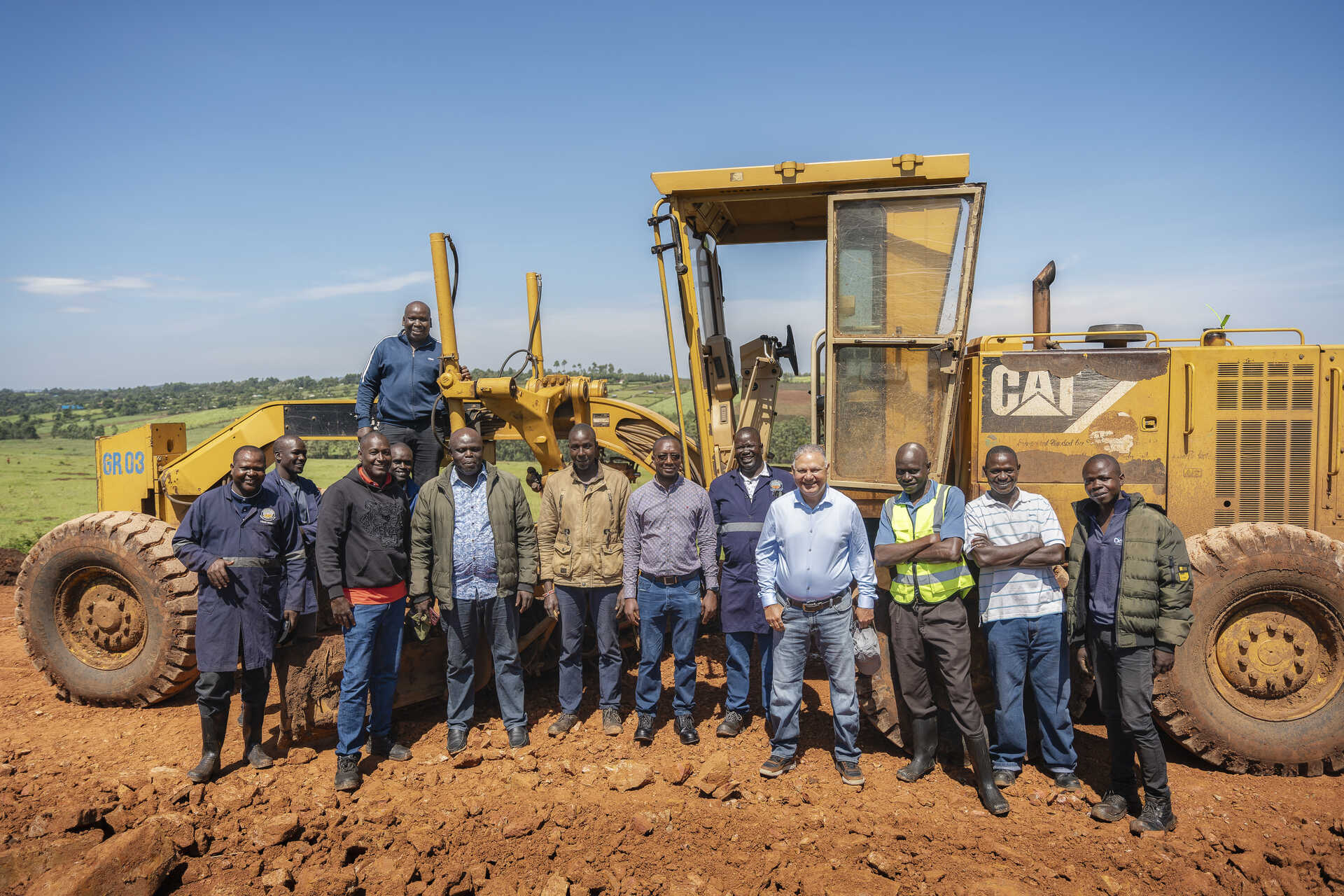
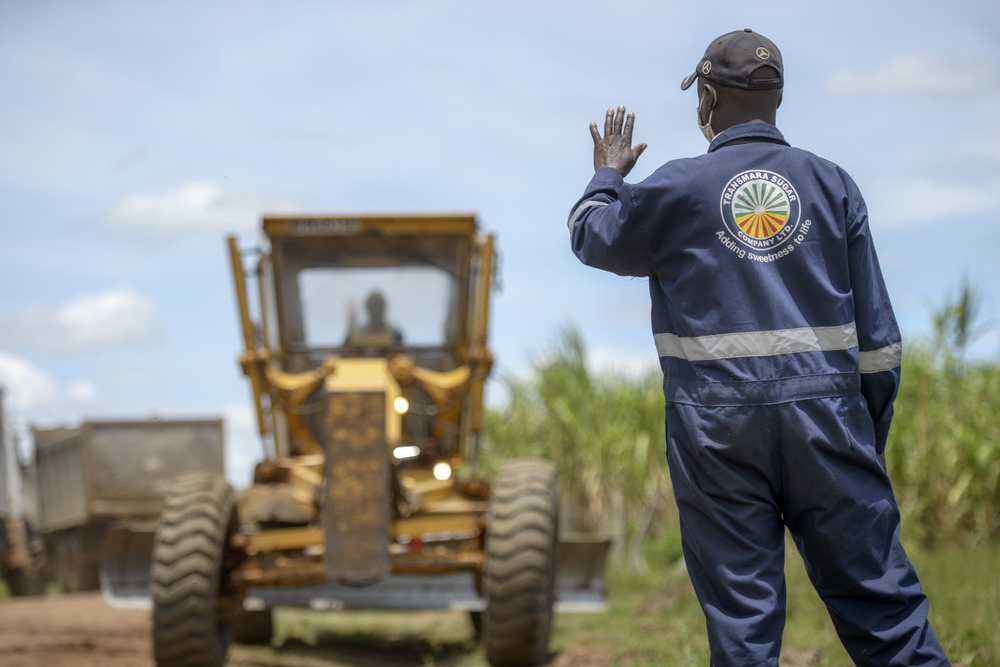
We operate two brands of grader, which are essential for shaping and levelling over 300 km of roads each year. They run long hours during the dry season, requiring regular checks on blades, hydraulics, and undercarriages due to constant wear.
Compactors
With three compactors, we ensure solid road foundations across subgrade, sub-base, and base layers. They are ideal for heavy-duty compaction of both dirt roads and paved roads, ensuring that the foundation is solid and able to withstand the weight of transport vehicles. Used daily, especially after material laying, the compactors need regular attention to vibration systems, engines, and drivetrains.
Water Bowser
The water bowser helps control dust and aids compaction by spraying water across active sites. The water bowser is fitted with large water tanks and spray nozzles that help reduce dust, especially during dry periods, ensuring roads remain safe for transport. It also helps with road maintenance by providing the required moisture for compaction. It’s used almost daily and our maintenance focuses on its pumps, tanks, and hoses due to its frequent use.
Excavators
Our excavators handle trenching, earthmoving, and drainage works. Excavators are an incredibly versatile piece of plant machinery. Not only can they handle digging, drainage, and land clearing during road construction, but they can also be modified to take on sugarcane loading. By fitting them with a custom grab assembly – often designed specifically for sugarcane – they’re transformed into powerful loaders. These grabs usually have larger jaws or longer teeth to grip bulky cane securely without causing damage. The hydraulic system gives them the muscle to lift heavy loads with ease. With this setup, an excavator can reach further, load faster, and handle large volumes – making them a brilliant time-saver during peak harvesting seasons.
Dozers
The dozer takes on big jobs like clearing land and shifting large volumes of soil or rock. Equipped with wide tracks and powerful blades, these machines can move large volumes of soil, gravel, or rock efficiently in preparation for road laying or infrastructure projects. It’s key during early site prep and needs regular maintenance on blades, hydraulics, and its hard-working engine.
Backhoes
Backhoes are our go-to plant machinery for smaller digs, digging trenches for pipelines, drainage systems, and culverts. Backhoes are highly versatile, with extendable arms that allow them to reach into narrow or hard-to-access areas for digging, crucial for land drainage or roadside utilities. Used daily, they demand regular upkeep of hydraulics, buckets, engines, and steering to stay efficient.
Tippers
We have 10 tippers that haul construction materials like gravel and sand to and from worksites, often doing multiple trips a day. They require routine servicing, particularly on engines, gearboxes, and suspension due to rough terrain and heavy loads.
Pangas
In the Trans Mara region, manual sugarcane harvesting is still very much alive – and pangas are at the heart of it. These trusty machete-style tools are used by skilled workers to cut cane cleanly and efficiently, especially in areas where machines just can’t go. With the region’s hilly terrain, narrow rows, and tricky field layouts, it’s not always possible to bring in heavy harvesters, so the humble panga does the job perfectly.
What is the reaction to new roads in the Trans Mara area?
People in the Trans Mara area generally welcome the building of new roads. For a long time, poor infrastructure made life tough, especially for farmers trying to get their produce to market during the rainy season, when roads often became unusable. With these new roads, it’s now much easier to move crops like maize, tea, sugarcane and livestock, which means better incomes and less stress.
The improvements go beyond farming, too. Better roads are opening up new business opportunities and attracting interest in tourism, trade, and agriculture. They’re also making everyday life easier, such as getting to school, visiting the doctor, or accessing government services.
Of course, people still have concerns. There’s a real desire to make sure development doesn’t harm the environment or local culture. That’s why involving the community in planning and decision-making has become such a big focus. When locals have a say in how things are done, the results tend to be more positive and lasting. Overall, there’s a strong feeling of progress in the air – one that’s bringing hope for a better future.
How busy is your workshop?
There’s never a quiet moment! With all the heavy plant machinery we’ve got working day in and day out, there’s always something needing attention. Daily maintenance is pretty much the norm just to keep everything running smoothly, and breakdowns happen often thanks to the rough conditions on site.
We’re constantly servicing engines, checking hydraulics, fixing tyres and tracks. Stocking spare parts is a job in itself. We keep shelves full of things like filters, belts, blades, and seals, so we’re not caught short when a machine goes down.
Then there’s the safety side of things. We run regular checks and inspections to ensure every bit of equipment is fit for use and up to standard. Luckily, we’ve got a solid team of mechanics and technicians who know the machines inside out. Between maintenance, emergency repairs, and keeping everything safe and accurate, the workshop is a real hive of activity. It’s busy, but it keeps the whole operation moving!


